
Foraging for bilberries responsibly on heathland
Why bilberries are worth the walk
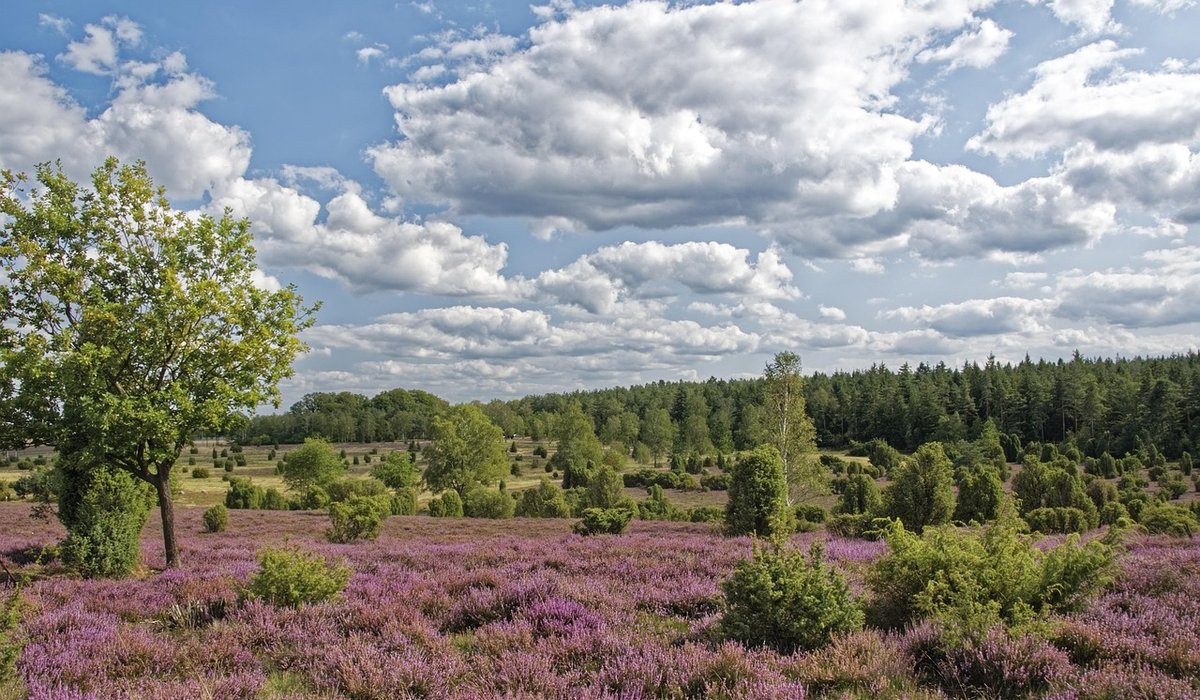
Late summer on a British heath is a study in quiet abundance, and few things reward a slow hour in the sunshine quite like a bilberry. These small, inky-blue berries grow low across heather and moorland, hiding beneath glossy green leaves until you learn the trick of looking for them. In Scotland they are blaeberries, in Wales whinberries, in the north of England wimberries or hurtleberries — a different name almost every few counties, but the same plant and the same pleasure.
They are worth picking for the flavour alone: sharper and deeper than a cultivated blueberry, with a faintly resinous, woodland tang. They set beautifully into jam and freeze well for winter pies and crumbles. But bilberries grow in some of our most fragile landscapes, so a little care makes all the difference between a happy harvest and a bit of quiet damage.
Where bilberries grow on heathland
Bilberry wants acidic, free-draining soil and a good dose of rain, which is why it thrives across upland Britain — the moors of the Peak District, the North York Moors, the Lake District fells, the Welsh uplands and much of Scotland. You will also find it on some lowland heaths in southern England, particularly where the ground has stayed open and unimproved.
Look for a low, wiry shrub rarely more than knee-high, with bright green oval leaves with faintly toothed edges and distinctly angular, ridged stems. The berries are borne singly or in pairs on the underside of the stems, so you often need to part the leaves and look up underneath to spot them. Good places to search are the transition zones where heather, bilberry and grasses mingle, and the edges of paths and tracks where light reaches the ground.
Take care not to confuse bilberry with crowberry, which has needle-like evergreen leaves and blacker, drier fruit. If in doubt, leave it alone.
Timing your visit
Bilberries ripen from late July on southern and lowland sites, but the season really gathers pace in August. Upland and north-facing patches often hold fruit into September, and a warm, wet summer tends to produce a heavier crop. At altitude, expect the same bushes to ripen several weeks later than their counterparts in the valley below.
Pick only berries that come away with a gentle roll between finger and thumb. If you have to tug, it is not ready. A ripe bilberry is a deep, dusty blue-black, often with a pale bloom on the skin — the same bloom that stains your fingers purple within minutes.
Picking with a light touch
The bilberry plant is slow-growing and easily damaged. Trampled stems may take years to recover, and the whole plant can be pulled up by a careless hand, so work gently and deliberately.
- Pick berry by berry rather than stripping whole stems or using a comb or rake.
- Take a small handful from one patch and then move on, rather than clearing a single bush.
- Use a small container you can hold in one hand so the other stays free to steady yourself and part the leaves.
- Keep to established paths and open ground where you can, especially on eroded or peaty soils.
- Check the rules for the site. On open access land in England and Wales, picking wild fruit and foliage by hand for personal use is generally accepted, but many nature reserves and protected sites have their own byelaws, and commercial picking is not permitted.
In Scotland, the outdoor access code allows you to gather wild berries for personal consumption, but not to dig up plants or take a crop for profit. If a sign asks you not to pick, the sign wins.
Leaving plenty for wildlife
This is the part that matters most. Bilberries are not there for us alone; they are a staple of upland food webs. Ring ouzels, red grouse and black grouse all feed on the berries, as do woodpigeons, fieldfares and thrushes. The bilberry bumblebee depends heavily on bilberry flowers earlier in the year, and the bilberry pug and other moths use the leaves as caterpillar food.
A simple rule serves well: take no more than a quarter to a third of the fruit from any one bush, and leave the rest. In poor years, or wherever the crop looks thin, take nothing at all and come back another season. Never strip a patch bare — those berries are next spring's seed and next winter's bird food.
Watch where you put your feet, too. Heathland in late summer is busy with ground-nesting birds and their young, and a wandering boot can do more harm than a hundred picked berries.
In the kitchen and beyond
Bilberries are low in pectin, so jam needs a little help. Weigh your fruit, add roughly the same weight of sugar, and squeeze in the juice of half a lemon per kilogram, or use jam sugar with added pectin. Simmer gently until the berries collapse and a drop sets on a cold saucer. The result is a dark, intensely flavoured jam that no shop-bought jar can match.
If you have more than you can use, freeze them spread out on a tray first so they stay separate, then bag them up. They will keep for a year and are excellent in crumbles, pies and sauces, or steeped in gin. Whatever you make, clean your container and your hands promptly — the juice stains clothes, worktops and fingers with cheerful determination.
Above all, enjoy the day. Half the pleasure of bilberrying is the sitting down, the scent of heather, the cry of a curlew somewhere out of sight. Take a few, leave plenty, and the heath will keep on giving.

4 Comments