
How climate change affects heathland plant life
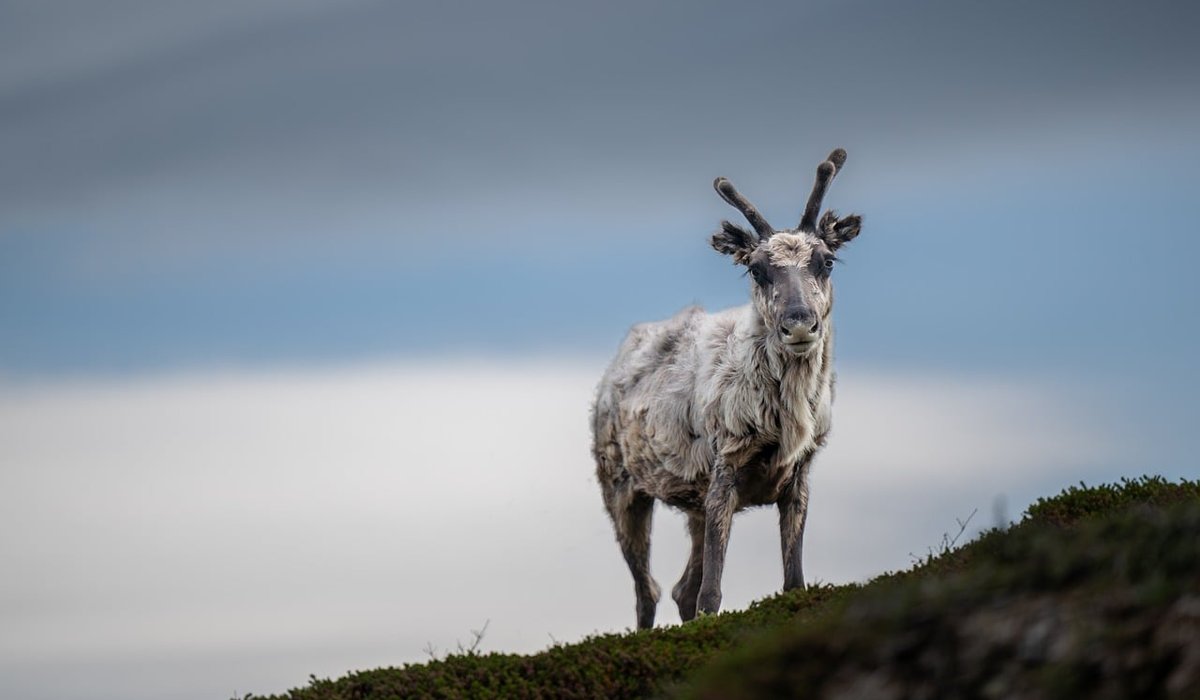
The delicate balance of British heathland
Heathland is one of our most distinctive countryside habitats, a mosaic of heather, gorse, grasses and bare ground created over centuries by grazing, cutting and burning. It supports rare birds, reptiles and insects, and holds a special place in our landscape. But this balance is delicate. Many heathland plants are adapted to nutrient-poor, acidic soils and specific moisture levels. Climate change – with warmer, drier summers and wetter, milder winters – is shifting those conditions faster than many species can cope with.
Warmer, drier summers put heather under stress
Ling heather (Calluna vulgaris) is the backbone of most British heaths. It tolerates drought better than many plants, but repeated summer droughts push it to its limits. Shallow roots cannot reach deep moisture, so leaves wilt, growth stalls, and patches die back. The 2018 and 2022 heatwaves left visible scars on heaths from Surrey to the Peak District.
Drought also weakens heather against pests. Warmer winters help heather beetles survive, and stressed plants are less able to recover from larval feeding. Cross-leaved heath (Erica tetralix) and bog asphodel, which prefer damper spots, fare even worse. Sphagnum mosses shrink and stop building peat. Sundews – our native carnivorous plants – dry out and disappear from exposed pools.
Some plants seize the advantage
Not every species suffers. Bracken, purple moor-grass and gorse often spread when heather thins. Bracken thrives on disturbance and warmer springs, unfurling earlier and shading out smaller plants. Purple moor-grass can dominate wet heaths after drought, its tussocks crowding out cross-leaved heath and cottongrass. Gorse, with its deep roots and tolerance of dry soils, can expand rapidly, especially where grazing is reduced.
Bell heather (Erica cinerea), which prefers drier, well-drained slopes, may actually benefit in some areas. Birch and pine seedlings, blown in from nearby woods, find it easier to establish on drought-bared ground. The result is a gradual shift from open, flower-rich heath to scrub and coarse grassland – less diverse, and less useful for the wildlife that depends on low, open vegetation.
Rainfall: too much, too little, too late
British rainfall is becoming more erratic. Wetter winters waterlog the soil, which heather dislikes, while heavier downpours strip away thin soils and wash nutrients into once-poor heath. That enrichment encourages aggressive grasses and weeds. Then, just as plants recover, a dry spring or summer can undo the good work.
Warmer temperatures also mean earlier springs. Plants may leaf out before late frosts, risking damage to new growth. Some heathland species rely on precise timing with pollinators, and mismatches can reduce seed set. For plants already clinging to fragmented patches, these pressures add up. A single severe drought can wipe out a local population of a rare species like marsh gentian or petty whin.
Practical steps to build resilience
Conservationists cannot stop climate change, but they can help heathland cope. The most important action is restoring natural hydrology. Blocking old drains, rewetting peat and raising water tables keep soils damp through summer droughts. On lowland heaths, this means careful ditch management and reducing abstraction.
Grazing is another powerful tool. Cattle, sheep and ponies create a mosaic of short and tall vegetation, which helps heather regenerate and limits bracken and scrub. Where grazing is not possible, cutting or controlled cool burns can mimic those effects – but timing matters, and burns must never be done in dry conditions.
Practical measures include:
- Cutting or rolling bracken in mid-summer to weaken rhizomes.
- Creating firebreaks and managing fuel loads to reduce wildfire risk.
- Monitoring heather beetle and other pests, and acting early where needed.
- Connecting fragmented heaths with corridors so species can move.
- Collecting seed from drought-tolerant heather varieties for replanting.
Volunteers and local groups are vital here. Recording plant changes, clearing scrub, or helping with surveys all make a difference. Every patch of heath that stays healthy is a refuge for the species that call it home.
Peat, carbon and the bigger picture
Many heathlands sit on deep peat or thin organic soils that store vast amounts of carbon. When drought dries these soils, or when wildfires burn through them, that carbon is released as carbon dioxide. Rewetting and careful fire management therefore help both wildlife and the climate. Healthy heathland is a carbon sink; degraded heathland becomes a source.
There is no single fix. But by understanding how rainfall and temperature are changing, and by acting locally – from blocking a ditch to grazing a few ponies – we can give British heathland a fighting chance. These are landscapes worth fighting for, not just for their beauty, but for the intricate web of life they support.

4 Comments