
How to create a wildlife-friendly garden inspired by heath
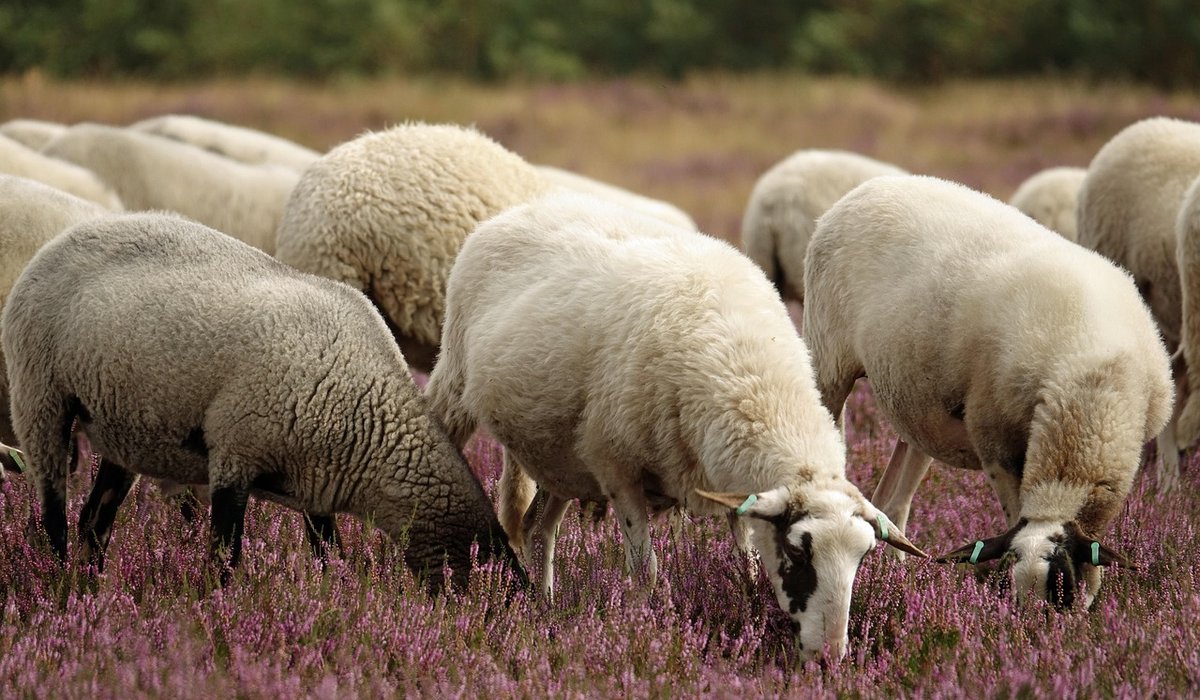
Why heathland makes a wonderful garden muse
Heathland is one of Britain's most distinctive and threatened landscapes. Once vast, it now covers a fraction of its former range, yet it still supports a remarkable web of life: nightjars, silver-studded blue butterflies, sand lizards, and a host of bees and beetles. You don't need acres of open moor to capture that magic. A garden inspired by heath can offer the same acidic, free-draining conditions and the same tapestry of heather, gorse, and wildflowers. The result is a low-maintenance, wildlife-rich space that looks beautiful and gives back to nature throughout the year. The key is to think like a heath: poor soil, plenty of sun, and a mosaic of low-growing plants.
Matching the soil and situation
Heathland plants evolved on thin, acidic, nutrient-poor soils. Most garden soils are far too rich. If your soil is neutral or alkaline, or heavy clay, you have two options: create raised beds filled with a mix of ericaceous compost, sharp sand, and leaf mould, or grow everything in containers. A sunny, open spot is essential; heath plants sulk in shade. They also demand good drainage, so avoid waterlogged hollows. Before you plant, test your soil's pH with a simple kit. Aim for pH 5.5 or lower. Never add manure, garden compost, or general fertiliser – it will encourage soft growth and weeds, and can kill heathers. Instead, top up with a mulch of pine needles or composted bracken if you can get it. If you garden on chalk, containers are your best friend.
Heathers: the beating heart of the heath garden
No plant says heath quite like heather. There are two main groups to grow. Calluna vulgaris, or ling, flowers in summer and autumn, with spikes of pink, purple, or white. Erica species, such as bell heather (Erica cinerea) and cross-leaved heath (Erica tetralix), extend the season from spring to winter. For a long display, choose a mix: winter-flowering Erica carnea kicks off in January, followed by Erica cinerea in summer, then Calluna through to November. Plant them in generous groups rather than singly – heathers look best as drifts. Space them 30–45cm apart and water well for the first year. After flowering, give them a light trim with shears, removing the spent flower spikes but never cutting into old, bare wood. This keeps plants bushy and long-lived. Bees adore heather, and late-flowering ling is a vital nectar source for bumblebees before winter.
Gorse, broom, and native wildflowers
Gorse (Ulex species) adds structure and brilliant yellow flowers, often with a coconut scent. It is a superb wildlife plant: dense, spiny branches shelter nesting birds, and the flowers provide early nectar for bees. However, common gorse can become large and invasive. In a small garden, choose dwarf gorse (Ulex minor) or grow common gorse in a large pot and prune it hard after flowering. Broom (Cytisus scoparius) is another good option, though it prefers slightly less acidic soil. Around these shrubs, weave in native wildflowers that thrive in poor, sandy ground. Try:
- Foxglove (Digitalis purpurea) – tall spires for bumblebees.
- Harebell (Campanula rotundifolia) – nodding blue bells for bees.
- Sheep's sorrel (Rumex acetosella) – food for small copper butterflies.
- Tormentil (Potentilla erecta) – low-growing, with yellow flowers.
- Wild thyme (Thymus polytrichus) – aromatic, loved by butterflies.
- Bilberry (Vaccinium myrtillus) – berries for birds and autumn colour.
These plants will self-seed if conditions suit them, gradually creating a naturalistic community.
Designing for year-round wildlife
A heath-inspired garden can feed and shelter wildlife in every season. In winter, gorse flowers and Erica carnea offer nectar on mild days. Spring brings broom and early wildflowers, while summer sees heather and foxgloves in full swing. By autumn, ling heather and bilberry provide late nectar and berries for birds such as thrushes and warblers. Leave seedheads standing through winter – they feed finches and shelter insects. Add a few logs or a small pile of stones to create basking spots for lizards and solitary bees. A shallow dish of water, refreshed regularly, will attract birds and hedgehogs. If you have space, allow a patch of bare, sandy soil to remain undisturbed; many solitary bees and wasps nest in such ground. Avoid tidying everything in autumn. A little mess is a lifeline.
Low-maintenance care that helps wildlife
Once established, a heath-inspired garden needs very little from you. Never use pesticides or herbicides. Fertiliser is unnecessary and harmful. The main job is annual pruning: trim heathers lightly after flowering, and cut back gorse and broom by no more than a third each year, right after they finish blooming. If you have a larger area, mow or scythe it once in late summer, then remove the cuttings to keep nutrients low. This mimics traditional heathland management and encourages wildflowers. In containers, refresh the top layer of ericaceous compost each spring and water in dry spells. Be patient – heath plants are slow growers, but they are long-lived. Within a few years, your garden will hum with bees, flutter with butterflies, and ring with birdsong. You will have created a small, precious piece of heathland right outside your door.

4 Comments