
A beginner's guide to photographing heathland at dawn
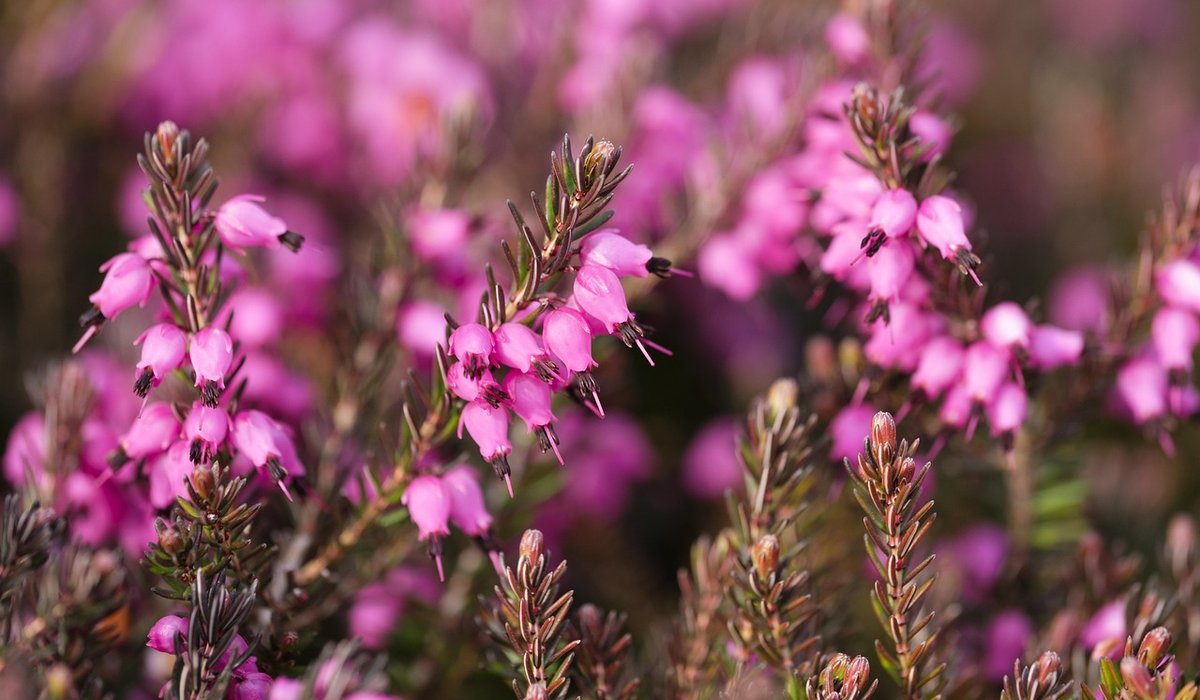
Why dawn on the heath is worth the alarm clock
Heathland at first light is one of the most rewarding landscapes in Britain, and also one of the most misunderstood. What looks like a scruffy expanse of scrub in the afternoon becomes, at 5am in August, a layered world of purple, rust and silver hanging in mist. Lowland heath is rarer than rainforest in global terms — we have lost around 80 per cent of it in the last two centuries — and the fragments that remain in Surrey, Hampshire, Dorset, Norfolk and the Staffordshire moorlands reward an early start like nowhere else.
The trick is not exotic gear. It is knowing when to go, where to stand, and how to read the light before it arrives.
Planning your morning before you set the alarm
Mist is the whole point, and mist needs specific conditions: a clear, calm night after a warm day, with little wind and a bit of moisture in the ground. Check the forecast for wind speed below about 8mph and a dew point close to the overnight temperature. Valleys, hollows and dips in the heath hold mist longest, often well past sunrise.
Timings shift enormously through the year. In late June, sunrise in southern England can be as early as 4.45am, which means being on site by 3.45am to catch the blue hour. By November, you can arrive at a civilised 6.30am. Photographers often find the best light in the twenty minutes before sunrise and the twenty minutes after, when the mist still has colour in it and the sun is low enough to rake across the heather.
- Arrive at least 45 minutes before sunrise so your eyes adjust and you can scout a composition.
- Late August and early September give you flowering ling heather plus misty mornings — the classic combination.
- Avoid the day after heavy rain; you want damp ground, not sodden air.
What to carry, and what to leave at home
Heathland walks can be boggy, sandy and uneven, often all three in one hundred metres. Practical kit matters more than a heavy bag.
- Tripod: essential. Light levels at dawn are low and you will want small apertures for depth of field.
- Lens choice: a 24–70mm for wide scenes with foreground heather, and a 70–200mm for compressing misty layers into soft bands of colour.
- Layers and boots: it is often 4–6°C colder on the heath than in the nearest town. Waterproof boots, a hat and gloves earn their place even in July.
- Cloths: condensation on the front element is guaranteed. Bring two microfibre cloths in a sealed bag.
- Head torch with a red mode so you do not wreck your night vision or dazzle anything living nearby.
- Spare batteries: cold drains them fast. Keep spares in an inside pocket.
Composition: turning a busy landscape into a picture
Heathland is visually chaotic — gorse, birch scrub, bracken, heather and bare sand all competing. The fix is almost always to simplify. Find one anchor: a lone Scots pine, a twisted silver birch, a curve of sandy track, a single clump of flowering ling. Then build layers around it.
- Get low. Drop to heather height so the plants become a foreground texture rather than a green line along the bottom of the frame.
- Work in layers. Foreground detail, midground subject, misty ridge behind. Telephoto lenses compress these bands beautifully.
- Use paths and tracks as leading lines to draw the eye into the mist.
- Watch the sky. If it is a flat grey, crop it hard or shoot into the mist instead.
- Turn around. The best light is often behind you, catching dew on spider webs and gorse spines.
Exposure in soft, tricky light
Mist fools meters. Your camera will try to make grey mist mid-grey, which usually leaves the scene dull and slightly muddy. Two habits solve most problems.
First, meter for the brightest part of the mist or sky that you want to keep detail in, and let the shadows fall where they may — heathland silhouettes are part of the appeal. Second, check the histogram rather than the screen. In misty conditions, adding around +0.3 to +0.7 EV of exposure compensation often lifts the whites to where they belong.
Start at ISO 100, f/8 to f/11, and let the tripod take the strain with shutter speeds of half a second or slower. Bracket three frames if the dynamic range is wide, and consider a two-stop graduated filter for bright skies above dark heather. Backlit dew is best shot almost directly into the sun, with your shadow well out of frame.
Treading lightly: wildlife and heathland etiquette
Heathland is fragile. Heather takes years to recover from trampling, and the bare, warm patches between the plants are vital basking habitat for adders, sand lizards and silver-studded blue butterflies. Dawn is also peak activity for birds: Dartford warblers, stonechats, woodlarks and nightjars all use these sites, and several are protected by law.
- Stay on paths and tracks. If you must step off, do it once, carefully, and avoid bare ground and lichen.
- Keep a respectful distance from all wildlife and use a long lens rather than creeping closer. Never approach a nest, and never use flash on animals at dawn.
- Do not lift stones, logs or reptile refugia to see what is underneath — you will disturb an animal that has spent the night sheltering there.
- Keep dogs on a short lead between March and September, when ground-nesting birds are vulnerable.
- Close gates, take everything home with you, and check site notices — many heaths are Sites of Special Scientific Interest with their own rules on drones and access.
Go quietly, leave nothing but footprints in the sand, and the heath will keep giving you mornings like this for years to come.

4 Comments