
Why controlled burning helps preserve heath habitats
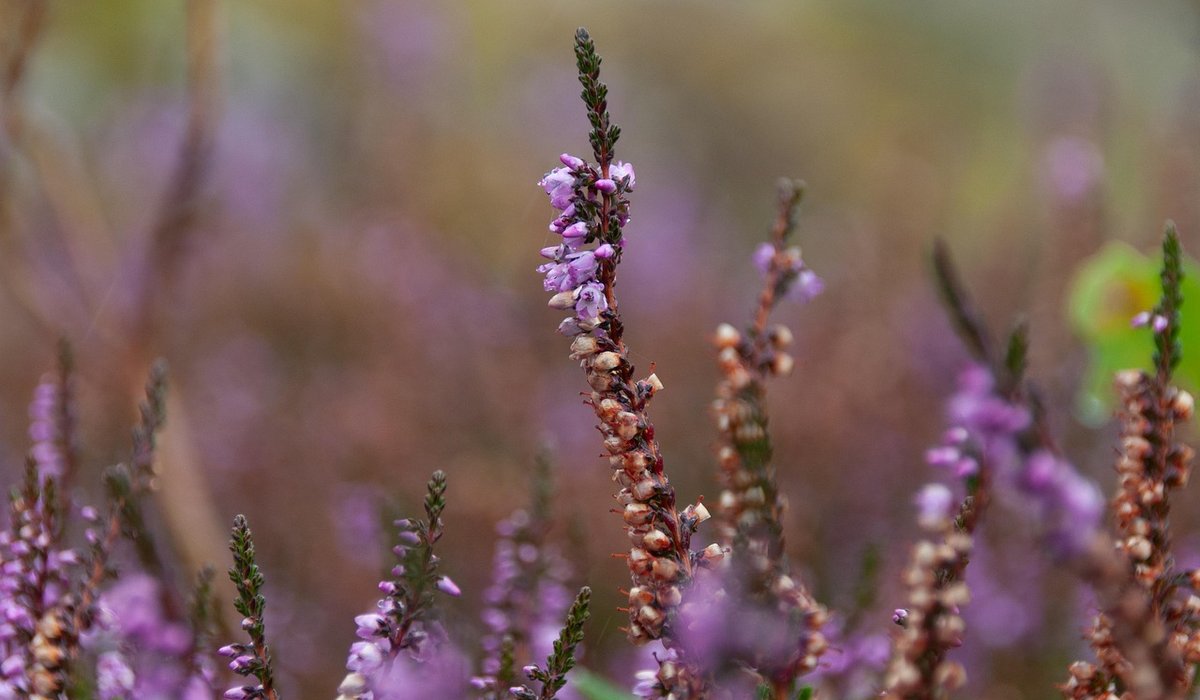
If you have walked across a heath in late winter and seen a line of low flames creeping through the heather, you have witnessed swaling. It can look alarming, but in the right hands it is one of the oldest and most effective ways of keeping heathland open, diverse and full of life.
What swaling actually does
Heather is a long-lived shrub, but it does not stay young forever. Left alone, a stand passes through phases: pioneer, building, mature and finally degenerate. In the mature and degenerate stages it becomes woody and leggy, with a thick carpet of dead litter beneath it. That litter shades out delicate plants and locks up nutrients that would otherwise support fresh growth.
A controlled burn removes that old growth and litter. It does not destroy the heather plant itself. Heather has buds near ground level and a seed bank in the soil, so after a burn it regrows from the base and from seed. The result is a patch of young, tender shoots that are richer in nutrients and more accessible to grazing animals, insects and birds.
- Resets the age structure: young heather supports more invertebrates than old, woody stands.
- Reduces fuel load: fewer dead stems mean a lower risk of a severe, uncontrolled wildfire later.
- Creates seedbed: bare ground allows heather and other heathland plants to germinate.
A habitat shaped by people and fire
British heathland is not a wilderness. It is a cultural landscape, created over thousands of years by grazing, cutting, turf-stripping and burning. Without those influences, birch, Scots pine, bracken and gorse would gradually take over. The open, sunny conditions that heathland specialists need would disappear.
Swaling is one tool in that management toolkit, alongside grazing, mowing and scrub clearance. It is especially useful on sites where the heather has become rank and where machinery cannot easily reach. But it is not a free-for-all. A burn that is too hot, too frequent or in the wrong place can damage the very habitat it is meant to help.
Burning safely: the practical basics
A successful burn is planned weeks in advance. The first step is to check the legal rules. In England, the Heather and Grass etc. Burning Regulations set out when burning can take place, usually between October and mid-April in uplands, with different dates for lowland heath. Scotland has its own muirburn season. Burning on deep peat is restricted or prohibited, and a licence may be needed in some cases.
On the day, conditions matter more than enthusiasm. The best burns take place when the heather is dry enough to carry a flame but the ground and moss beneath are damp. Wind should be steady and light, blowing away from sensitive areas. Humidity should be high enough to keep the fire slow. If the wind is gusty or the peat is tinder-dry, stand down.
- Cut firebreaks: mown or grazed strips stop the fire spreading and give you a safe edge to work from.
- Work in small patches: burn narrow strips or blocks, not huge swathes. This keeps the fire cooler and easier to control.
- Have enough people and kit: trained beaters, water backpacks, rakes and a reliable means of calling for help.
- Check the site afterwards: damp down smouldering roots and peat, and return the next day to be sure.
Protecting wildlife, peat and water
Heathland is home to curlew, lapwing, skylark, nightjar, adder, common lizard and a host of specialised insects, including the silver-studded blue butterfly. Many of these species nest or shelter on the ground. That is why burning is kept out of the spring and summer breeding season, and why every patch should be walked and checked before a flame is lit.
Peat is the other great concern. Deep peat is a vast store of carbon, and it burns underground, sometimes for weeks. A smouldering peat fire releases far more carbon than a quick surface burn and can destroy the soil itself. On deep peat, mowing or light grazing is almost always the better choice. Where peat is shallow, keep the fire moving and never let it sit in one place.
Water matters too. Bare, burnt ground can shed ash and sediment into streams and ponds. Leave unburnt vegetation buffers beside watercourses, and avoid burning on steep slopes where ash will wash away quickly.
Rotation, recovery and the long view
The real skill of swaling is not the fire itself but the pattern it leaves behind. A well-managed heath is a mosaic of different ages: short, recently burnt patches, medium-height stands and older, leggy areas. This mix gives wildlife choice. Some species need the warm, bare ground of a new burn; others need the shelter of tall heather.
A typical rotation might be 10 to 20 years between burns on the same patch, depending on soil, climate and growth rates. Burning the same area too often exhausts the seed bank and favours grasses over heather. After a burn, light grazing helps keep the new growth open, but heavy grazing can strip it bare. Monitor the response and adjust.
Done with care, controlled burning is not a war on nature. It is a conversation with a landscape that has evolved alongside human management. Get the season, the weather, the peat and the wildlife right, and swaling will keep Britain's heaths open, colourful and rich in life for years to come.

4 Comments